Persian Ney
For Beginners and Professionals
Discover the Persian Ney
The Persian ney is one of the oldest known wind instruments, with a history that spans thousands of years. Archaeological and historical evidence, supported by institutions such as The Metropolitan Museum of Art and The British Museum, shows that end-blown reed flutes were used in ancient civilizations including Egypt, Mesopotamia, and ancient Persia, known today as Iran. These early instruments are closely related to the modern ney and confirm its long presence in the cultural history of the region.
Within the civilization of Persia, the ney gradually became an important instrument in musical practice. While the structured system of Persian classical music developed in more recent centuries, the ney has been used continuously in court music, folk traditions, and spiritual settings. Its role evolved over time, but its presence remained consistent across different periods of Iranian history.
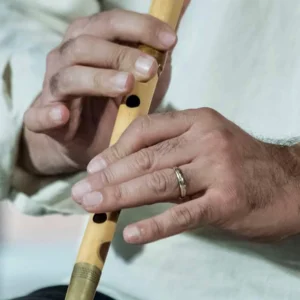
The construction of the ney has remained largely unchanged. It is made from a natural reed tube with carefully placed finger holes, and its sound is produced through precise breath control and embouchure. Despite its simple form, the instrument allows for a wide range of tones and microtonal expression, which makes it well suited to the modal system of Persian music.
The ney also holds an important place in Persian literary and spiritual traditions. It is frequently referenced in classical texts and is closely connected to Sufi thought, where its sound is interpreted as a symbol of reflection and human expression. This cultural context has contributed to the instrument’s lasting importance beyond its technical role in music.
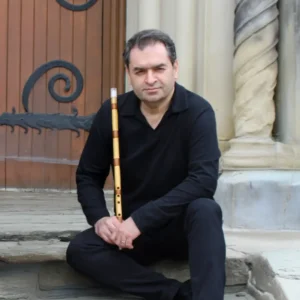
Today, the Persian ney continues to be studied and performed both in Iran and internationally. It is used in solo performance, ensemble settings, and educational contexts, and remains a central instrument for those interested in Persian music and its historical foundations.
The Sound of the Persian Ney
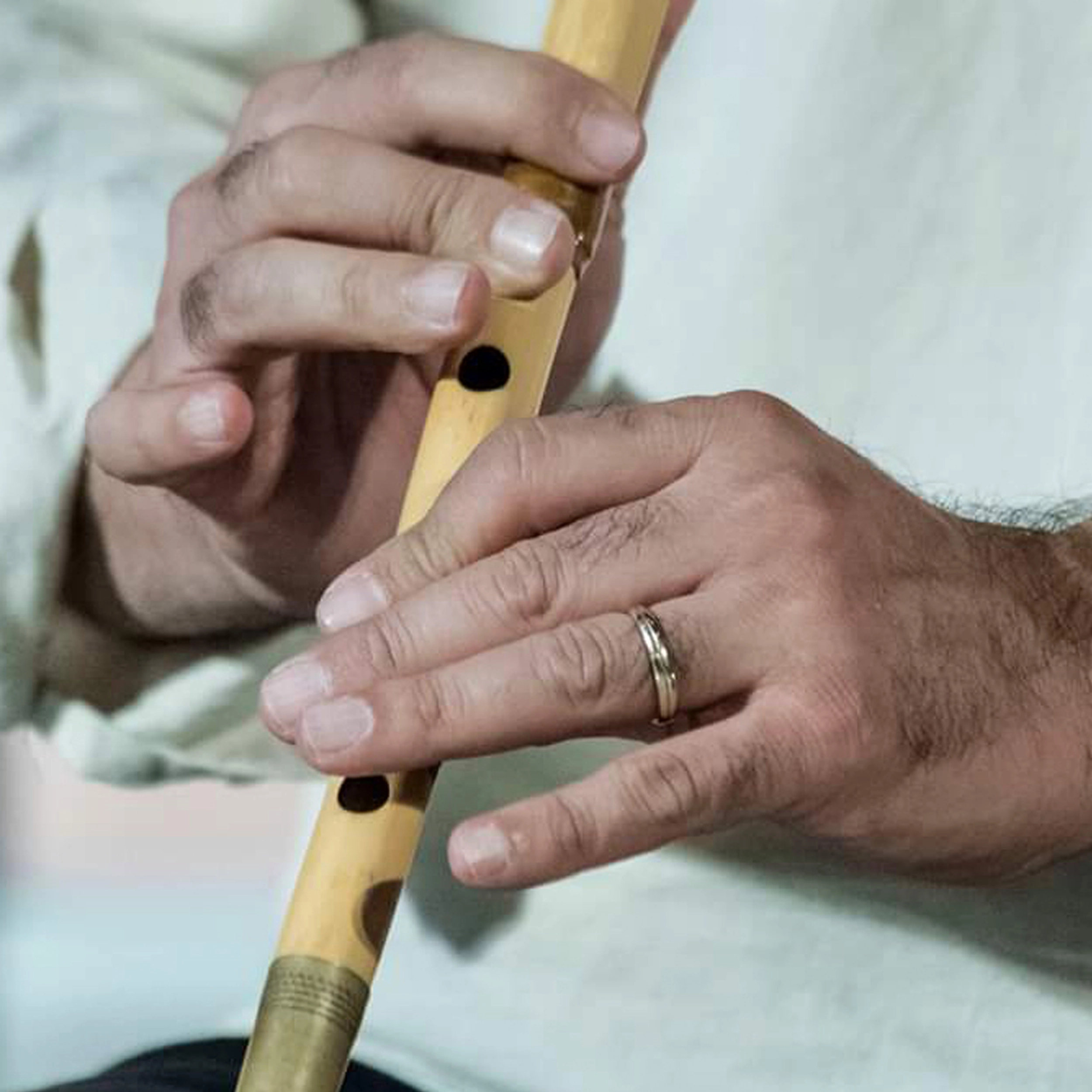
The sound of the Ney is soft, breathy and full of emotion. Many musicians describe it as a voice rather than just an instrument. Because of this, the Ney is often used in solo performances and also in traditional ensembles.
It is an instrument that requires control, patience and feeling. Over time, the player learns to shape the sound and express deep musical ideas through breath and technique.
History of the Persian Ney
The Persian ney is one of the oldest musical instruments still in use today, with roots that go back thousands of years. Similar reed flutes have been found in archaeological sites in the ancient Near East, and related instruments appear in art and records from early civilizations, including ancient Egypt and Mesopotamia, showing that reed flutes were important in early musical traditions long before written history began.
The name ney itself comes from an ancient term for “reed,” reflecting the simple materials used to make the instrument. In Persian culture, the ney has been played continuously for more than four thousand years, evolving from earlier reed flutes into the more refined form used in classical Persian music today.
Unlike many instruments that changed significantly over time, the basic design of the Persian ney has stayed remarkably consistent. It is traditionally made from a single piece of natural reed, carefully selected and shaped to produce a warm, rich, and expressive sound. The player produces sound by directing air between the space of the upper teeth and the reed, creating a haunting tone that is both powerful and subtle.
In the history of Persian classical music, the ney has held a special place as both a musical and spiritual instrument. Musicians and mystics alike have used its sound to convey deep emotions and introspective moods. In Sufi traditions, the ney is often seen as symbolic of the human soul reaching for the divine, and its breath‑driven sound is linked to ideas about life and spirit in mystical poetry and performance.
The Persian ney also became a central instrument across many regional music traditions, including Turkish, Arabic, and other Middle Eastern styles. Although similar instruments exist in these cultures, the Persian ney is distinct in its embouchure technique and tonal character, making it a defining voice in Iranian classical music.
Today, the Persian ney continues to be taught and played around the world. It is featured in traditional ensembles, solo recitals, and modern musical works alike. Its long history, deep cultural importance, and unique sound keep it relevant both in Iran and internationally, connecting musicians and audiences to an ancient musical heritage that is still vibrant and evolving.
How the Persian Ney is Made
A traditional Persian Ney is made from natural reed. The reed is carefully selected, cut and dried before being shaped into an instrument. The finger holes are placed with precision to create accurate notes.
Because each piece of reed is different, every Ney has its own character and sound. This makes each instrument unique and personal.

Who Can Play the Persian Ney
The Persian Ney can be played by beginners, intermediate players and professional musicians. Learning the Ney requires practice, especially in breath control and embouchure.
With time and dedication, players can learn to create beautiful and expressive music. Many people choose the Ney because of its deep connection to Persian culture and its emotional sound.
Start Your Lessons with Our Online Persian Ney Course – Click Here
Learn Persian Ney
If you are interested in learning the Persian Ney, you can start with basic techniques and gradually improve your skills. Understanding breath control, finger placement and tone production is important for progress.
You can also explore lessons, guides and tutorials to help you on your journey with the Ney.
Practice with Expert Guidance in Our Interactive Ney Lessons – Click Here
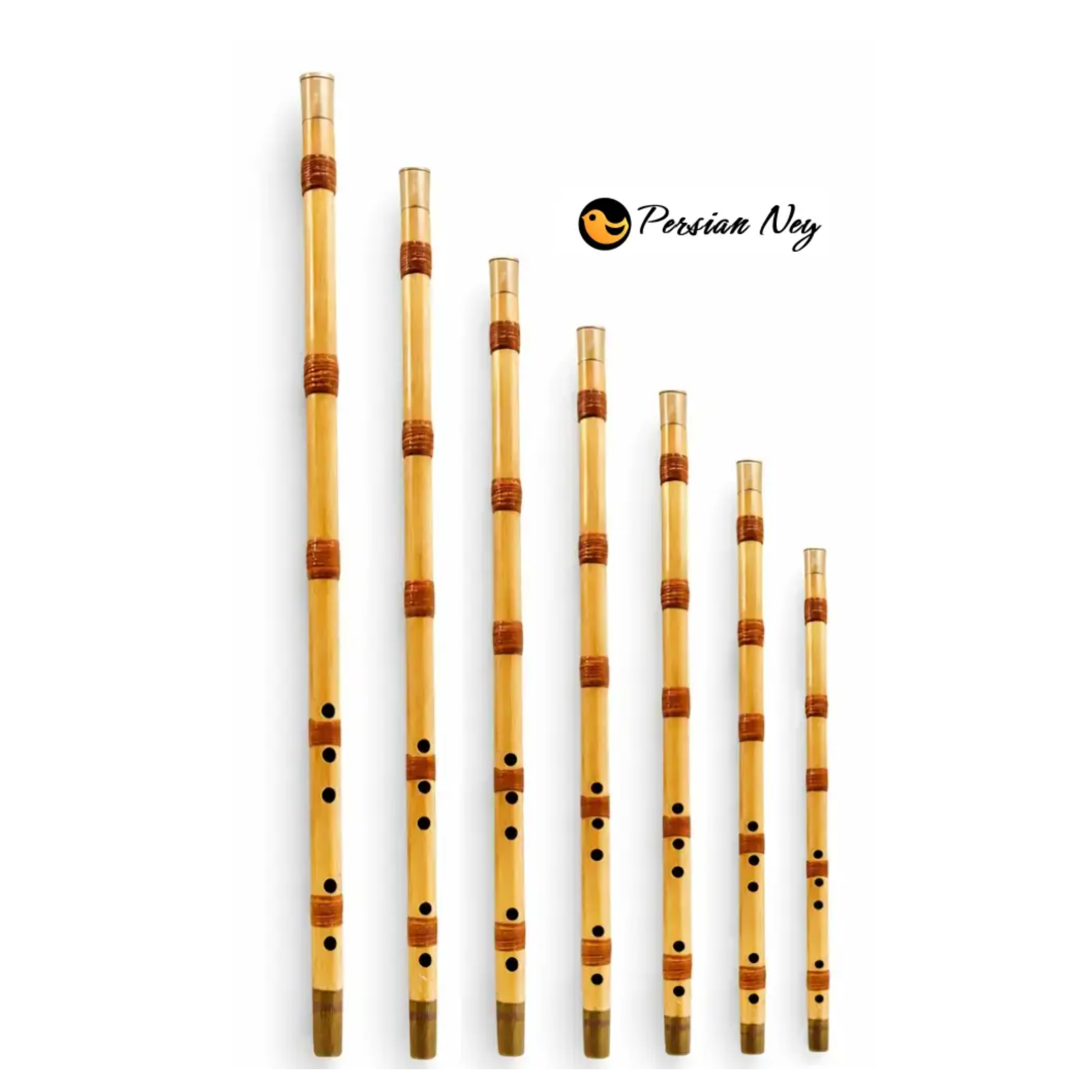
Buy Persian Ney
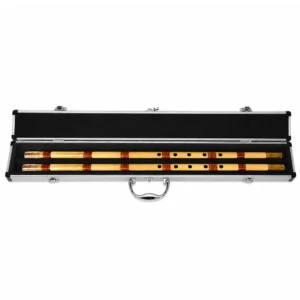
If you are looking for a high quality Persian Ney flute, you can explore our available instruments.
Each Ney is carefully crafted to provide an authentic sound and a comfortable playing experience for both beginners and advanced musicians.
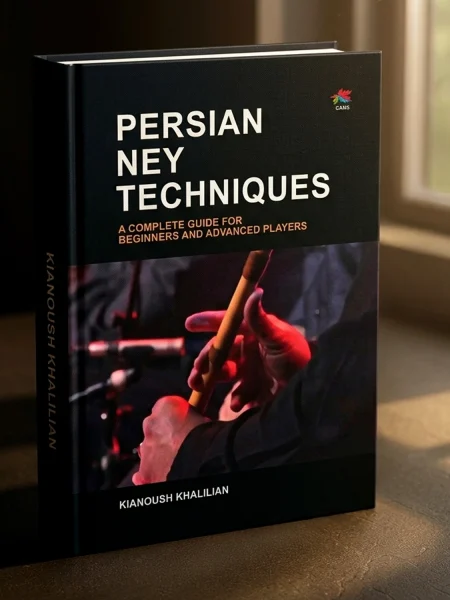
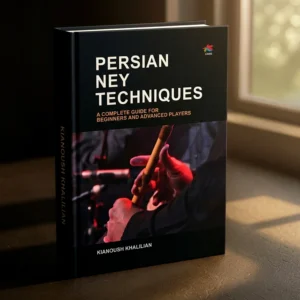
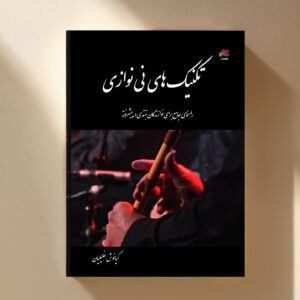
Ney Techniques (pdf book)
A Complete Guide for Students and Performers to Learn Persian Ney
FAQ
What is a Persian Ney?
The Persian Ney is a traditional end-blown wind instrument made from natural reed. It is widely used in Persian classical music and is known for its deep, warm and emotional sound.
Is the Persian Ney difficult to learn?
Learning the Persian Ney requires practice, especially in breath control and tone production. While it can be challenging at first, beginners can produce sound with proper guidance and consistent practice.
What is the difference between a Persian Ney and a Western flute?
The Persian Ney is an end-blown reed instrument, while the Western flute is a side-blown metal instrument. The Ney produces a softer, breathy and more expressive tone compared to the brighter and sharper sound of a Western flute.
What is the Ney used for?
The Persian Ney is used in classical Persian music, traditional ensembles and spiritual music. It is also used in solo performances due to its expressive and emotional sound.
Can beginners learn the Persian Ney?
Yes, beginners can learn the Persian Ney. With proper instruction and regular practice, students can gradually develop control over tone, breath and technique.
Who are some famous Persian Ney masters?
Some of the most respected Persian Ney masters include Hassan Kasaei, Hassan Nahid and Mohammad Moosavi. These musicians have played an important role in preserving and advancing Ney performance.
What makes a good Persian Ney?
A good Persian Ney is made from high-quality natural reed and carefully tuned. It should produce a balanced tone, respond well to breath and allow the player to control expression easily.
How do I choose the right Persian Ney?
The right Ney depends on your level and musical goals. Beginners often choose a standard Ney that is easier to control, while advanced players may select specific tunings based on their needs.
What are the main parts of the Persian Ney?
The Persian Ney consists of a reed body with finger holes. It has no keys or mechanical parts, which makes it a very natural and simple instrument.
How is sound produced on the Persian Ney?
Sound is produced by directing breath across the open end of the Ney. The player adjusts the angle of airflow and breath pressure to create different tones and pitches.
What tuning should I choose?
Ney tuning depends on your experience and the music you want to play. Common tunings are selected based on traditional Persian music scales and performance needs.
What type of material is used to make a Persian Ney?
The Persian Ney is traditionally made from natural reed. This material helps produce a warm and authentic tone that is unique to the instrument.
How long does it take to learn the Persian Ney?
The learning process varies for each person. Basic sound production can be learned relatively quickly, but mastering the instrument takes time, patience and regular practice.
Can I play Persian classical music on the Ney?
Yes, the Ney is one of the main instruments used in Persian classical music and is highly suitable for traditional repertoire.
Do I need prior music experience to learn Ney?
No, prior music experience is not required. However, having some background in music can help you learn faster.
How do I care for my Persian Ney?
The Ney should be kept in a safe, dry place and handled carefully to avoid damage. Avoid exposure to extreme temperatures and moisture.
Why does my Ney sound different sometimes?
The sound of the Ney can change depending on breath control, embouchure and environmental conditions such as temperature and humidity.
Is the Persian Ney suitable for professional musicians?
Yes, the Persian Ney is widely used by professional musicians in concerts, recordings and traditional performances.
Can the Persian Ney be used for modern music?
Yes, many musicians use the Persian Ney in modern, fusion and experimental music styles.
What makes the Persian Ney unique?
The Persian Ney is unique because of its simple design and highly expressive sound. It allows musicians to create deep emotional expression through breath and technique.
Contact Us on WhatsApp
Message us directly on WhatsApp. We are happy to help with course registration, ney questions, or anything else.
For All Inquiries, Please Fill Out The Following Form
If you’ve registered for the Ney course, kindly let us know your preferred days for sessions and provide your contact number. We’ll get in touch to schedule your classes.